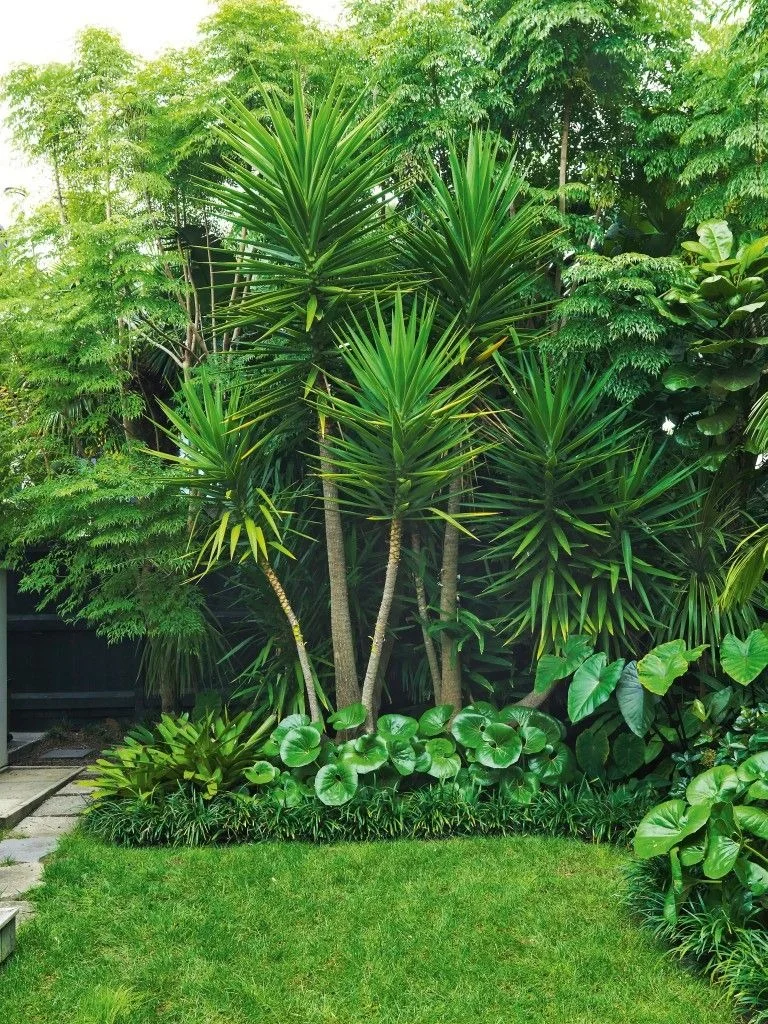
Shaded garden beds can be just as beautiful and inviting as sun-filled spaces. With the right plant selection, a shaded corner can become a lush, layered garden filled with interesting foliage, varied textures and year-round greenery.
Shaded garden beds can be just as beautiful and inviting as sun-filled spaces. With the right plant selection, a shaded corner can become a lush, layered garden filled with interesting foliage, varied textures and year-round greenery.
However, designing a successful shade garden involves more than simply choosing plants that tolerate low light. Understanding your site’s light conditions, soil quality, drainage and existing tree roots is essential to creating a garden that thrives over time.
In this guide, we explore how to choose suitable plants for shaded garden beds and create a balanced, low-maintenance planting design for your Sydney home.
1. Understand the Type of Shade in Your Garden
Before selecting plants, take time to observe how sunlight moves across your garden throughout the day. Not all shaded areas receive the same amount of light, and this can significantly affect plant growth.
Full Shade
Full shade areas receive little or no direct sunlight, although some natural ambient light may still reach the space. These conditions are common beneath dense tree canopies, along the southern side of buildings and in enclosed courtyards.
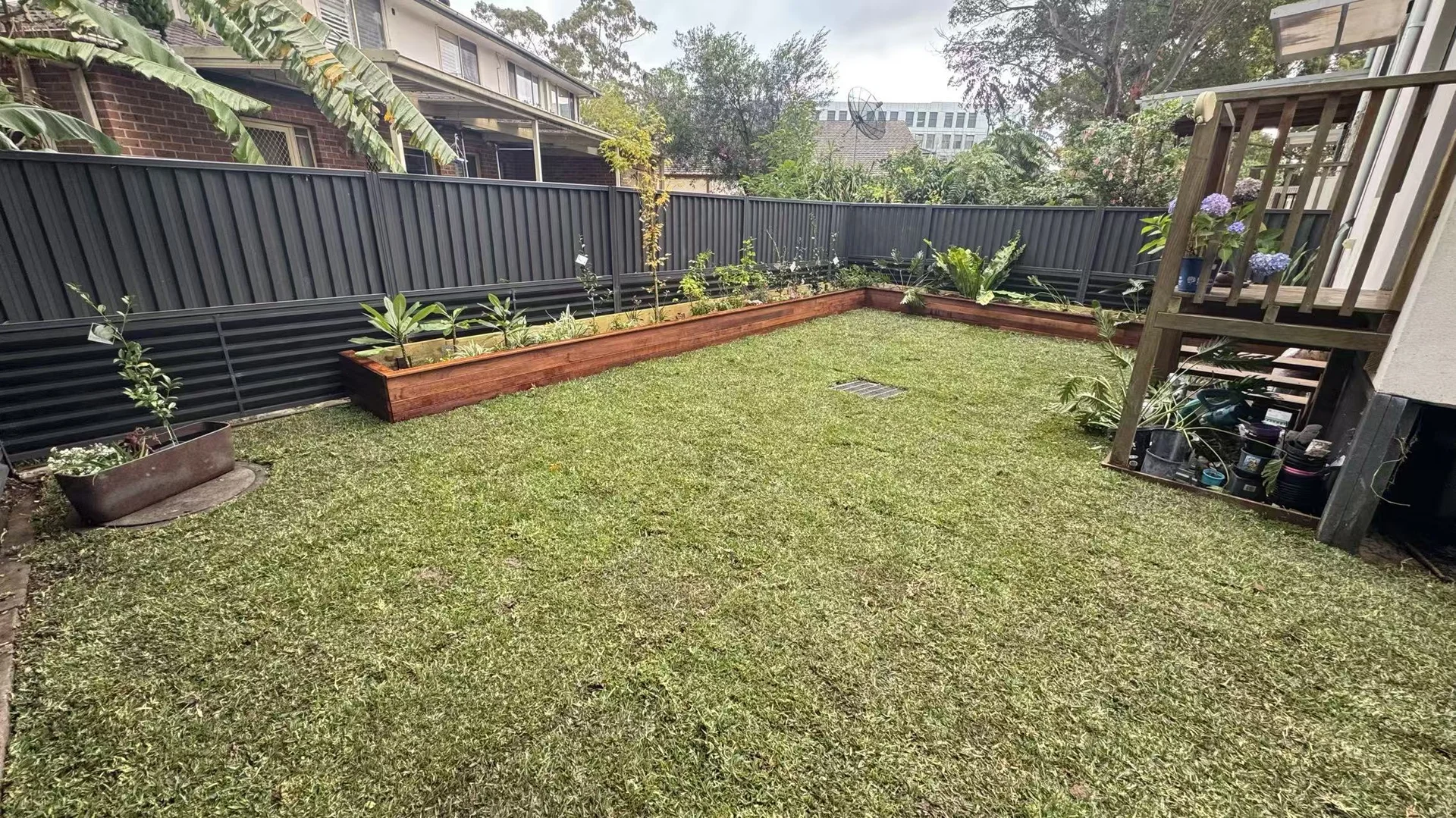
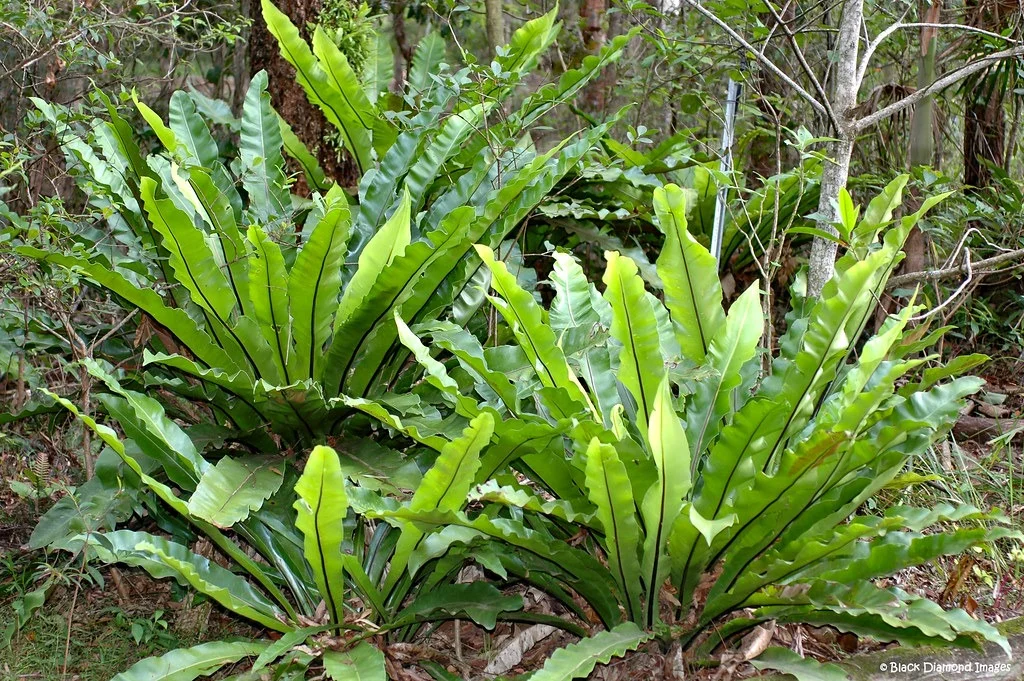
Choose plants that tolerate consistently low light, such as bird’s nest fern and cast iron plant. Keep in mind that even shade-tolerant plants need sufficient indirect light to grow well.
Partial Shade
Partial shade areas receive a few hours of direct sunlight each day, often during the morning or late afternoon. These conditions provide greater flexibility in plant selection.
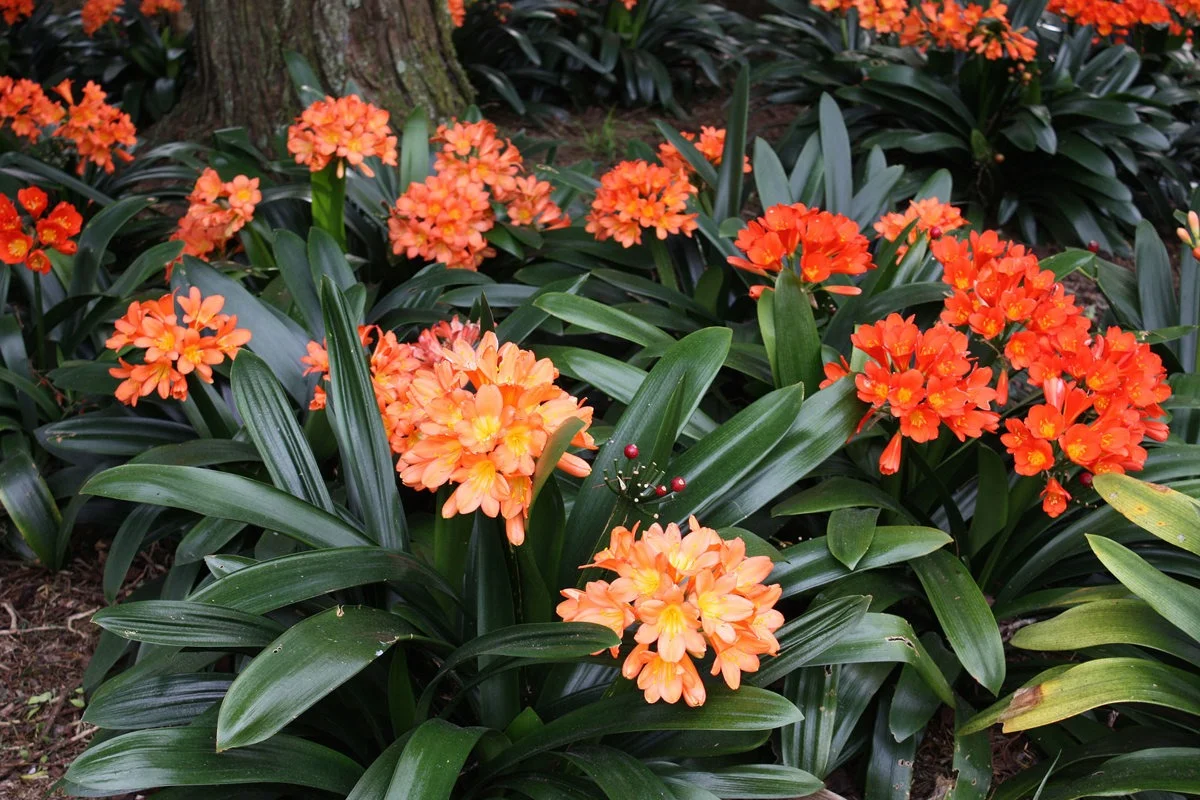
Clivia, native violets and many foliage plants can perform well in suitable partially shaded locations, depending on soil moisture and local conditions.
Dappled Shade
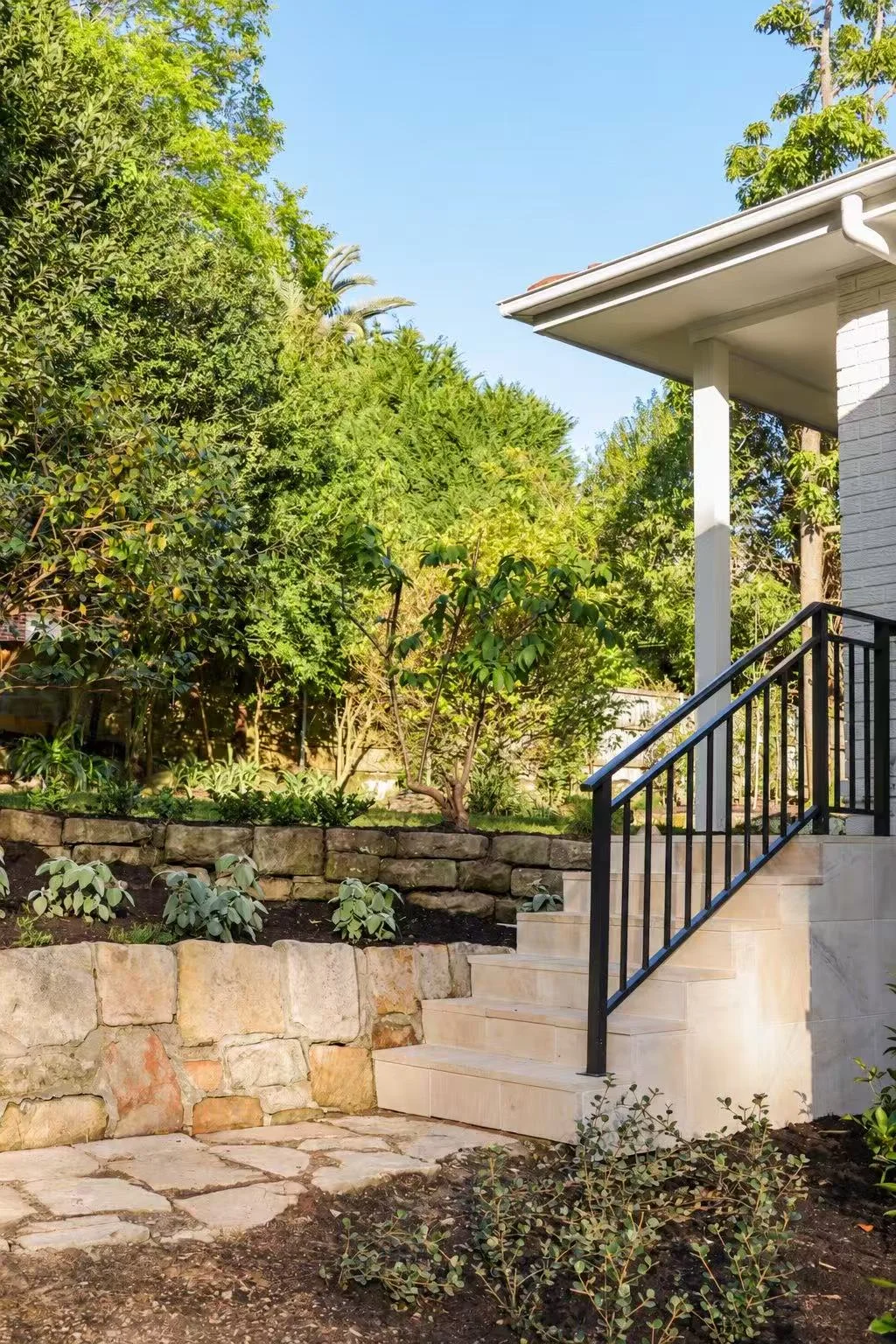
Dappled shade occurs when sunlight filters through tree branches, creating shifting patterns of light and shadow. This is a common condition in established gardens with mature trees.
Many ferns, groundcovers and shade-tolerant shrubs can thrive in these conditions, making dappled shade ideal for creating naturalistic planting compositions.
2. Choose Plants That Suit Your Site
Once you understand the light conditions, consider the other factors that influence plant health. A shaded garden beneath mature trees, for example, may be dry because established roots compete for moisture, while a narrow courtyard with limited airflow may remain damp for longer.
Here are several plants worth considering for shaded garden beds in Sydney.
Bird’s Nest Fern (Asplenium australasicum)
With broad, glossy fronds, bird’s nest fern adds a lush, tropical feel to shaded gardens. It thrives in filtered light, moist but well-drained soil, and sheltered locations.
Clivia (Clivia miniata)
Clivia features deep green, strap-like leaves and seasonal orange or yellow flowers. It is well suited to sheltered, shaded garden beds with well-drained soil.
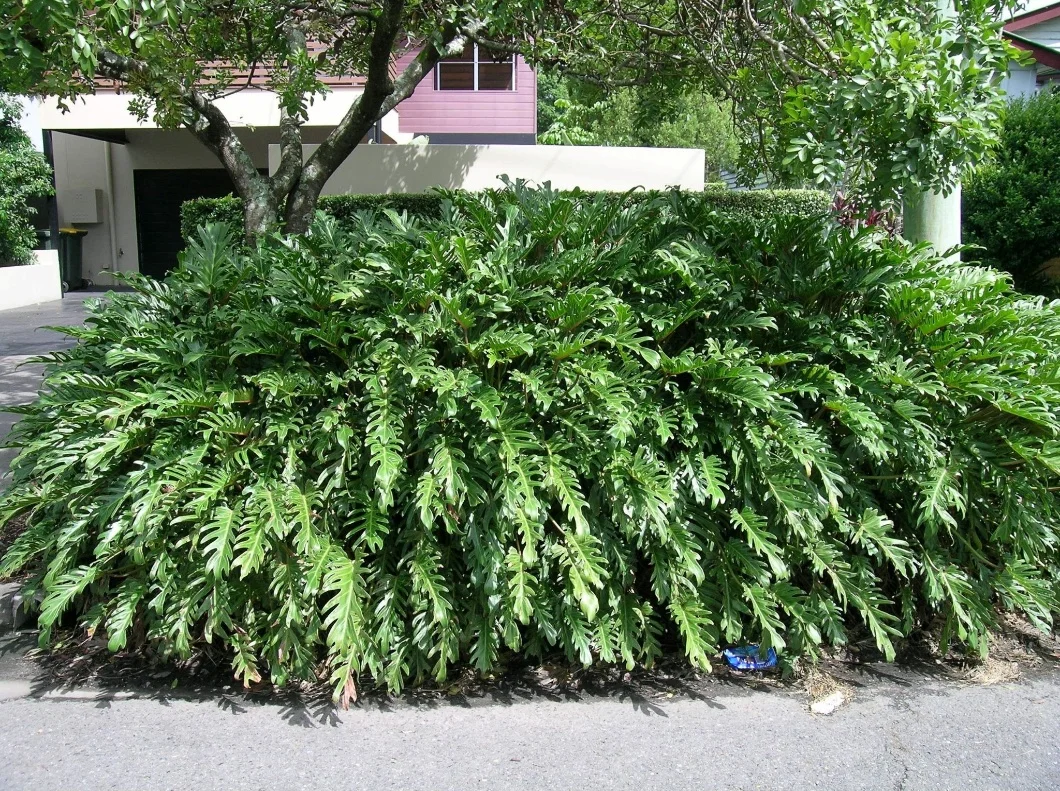
Xanadu Philodendron (Thaumatophyllum xanadu)
With deeply divided, glossy green leaves, Philodendron ‘Xanadu’ creates a lush, tropical look. It grows well in partial shade with well-drained soil and consistent moisture during establishment.
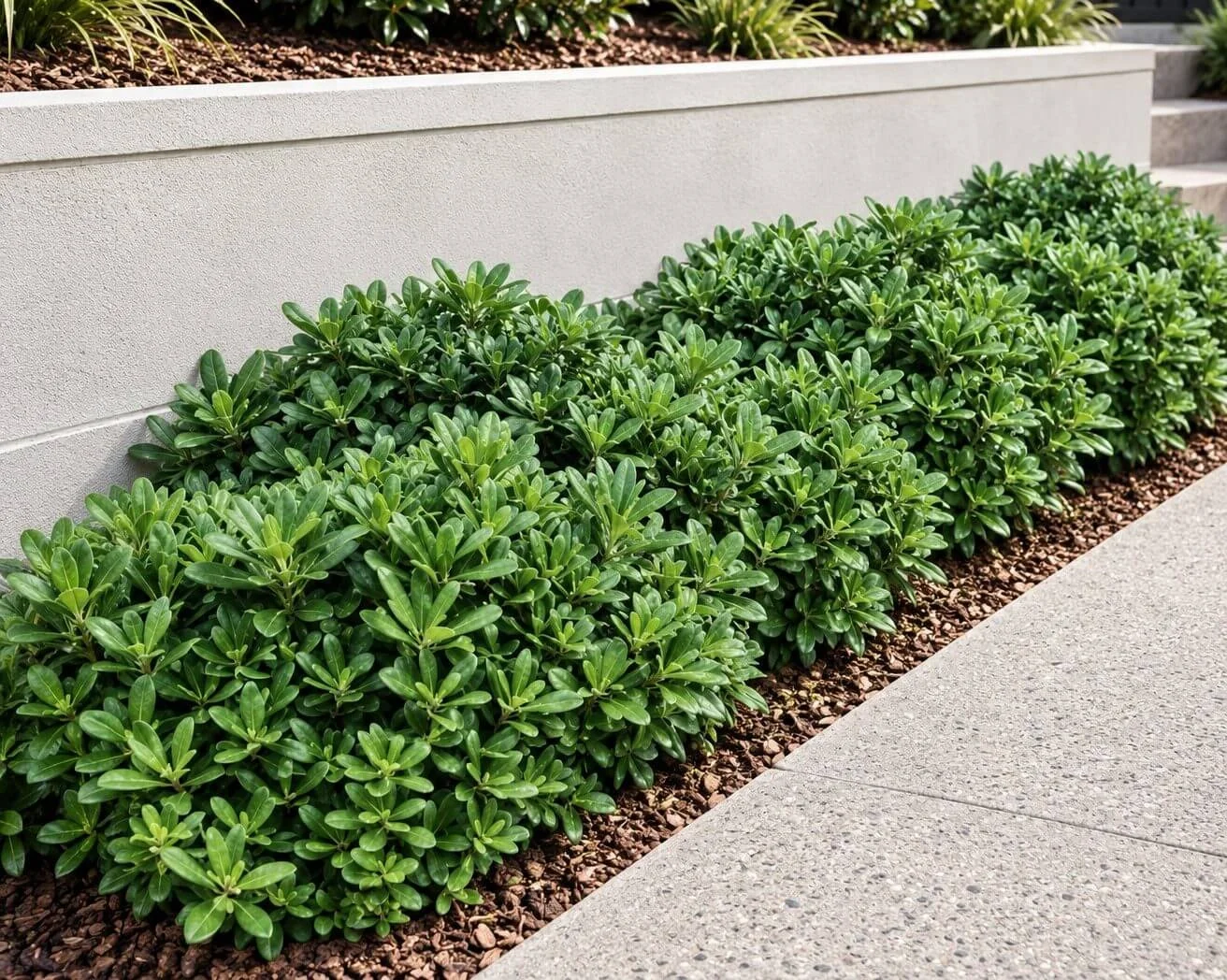
Miss Muffet Japanese Pittosporum (Pittosporum tobira ‘Miss Muffet’)
This compact, evergreen shrub features dense foliage and a rounded growth habit. It is suitable for partially shaded garden borders and courtyard planting, adding structure with minimal pruning.
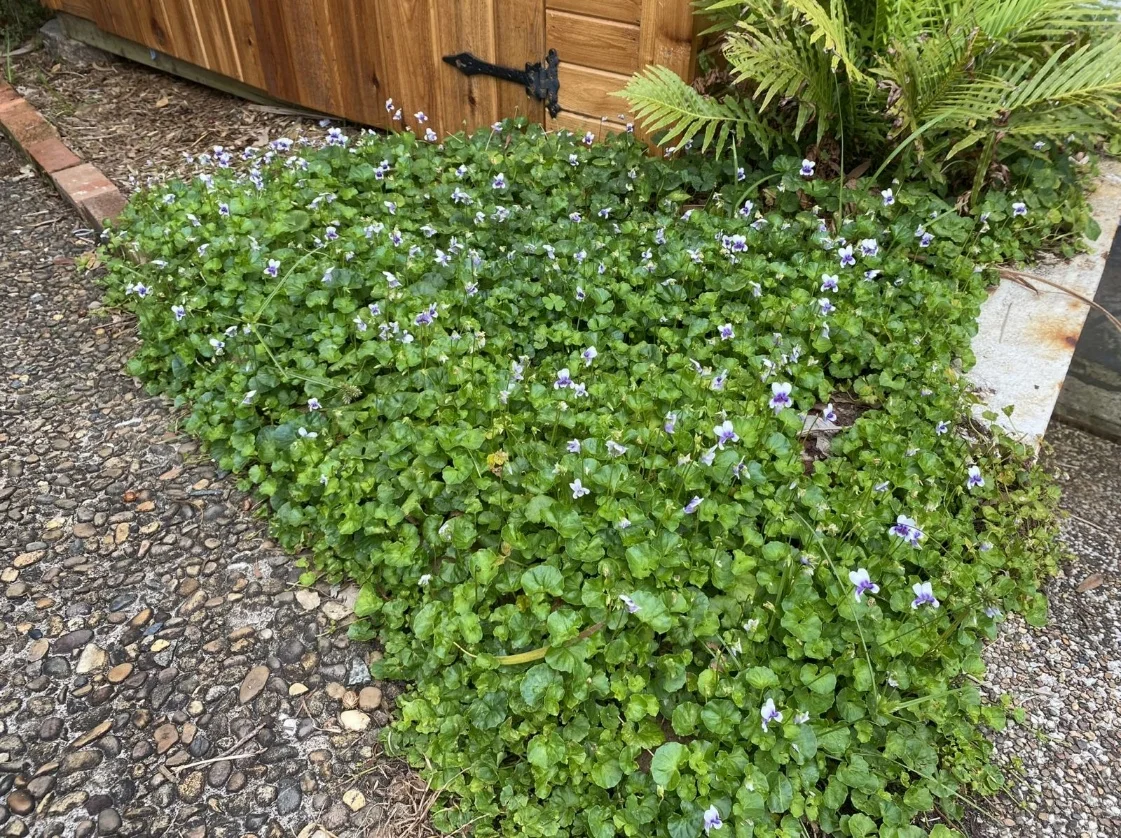
Native Violet (Viola hederacea)
This Australian groundcover features rounded leaves and delicate purple-and-white flowers. Ideal for partly shaded garden beds, it creates a soft, natural finish along pathways and garden edges.
3. Consider Soil, Drainage and Tree Root Competition
Light is only one part of the equation. Soil conditions often determine whether shade-loving plants establish successfully.
Check soil moisture and drainage. Shaded garden beds may dry out slowly, particularly beside buildings or beneath dense vegetation. Avoid assuming that every shaded area needs frequent watering. Check the soil before irrigating, and select plants suited to the actual moisture conditions.
Understand existing tree roots. Established trees can compete with new plants for water, nutrients and growing space. Choose plants with compatible root and growth characteristics, and avoid unnecessarily disturbing major tree roots during planting.
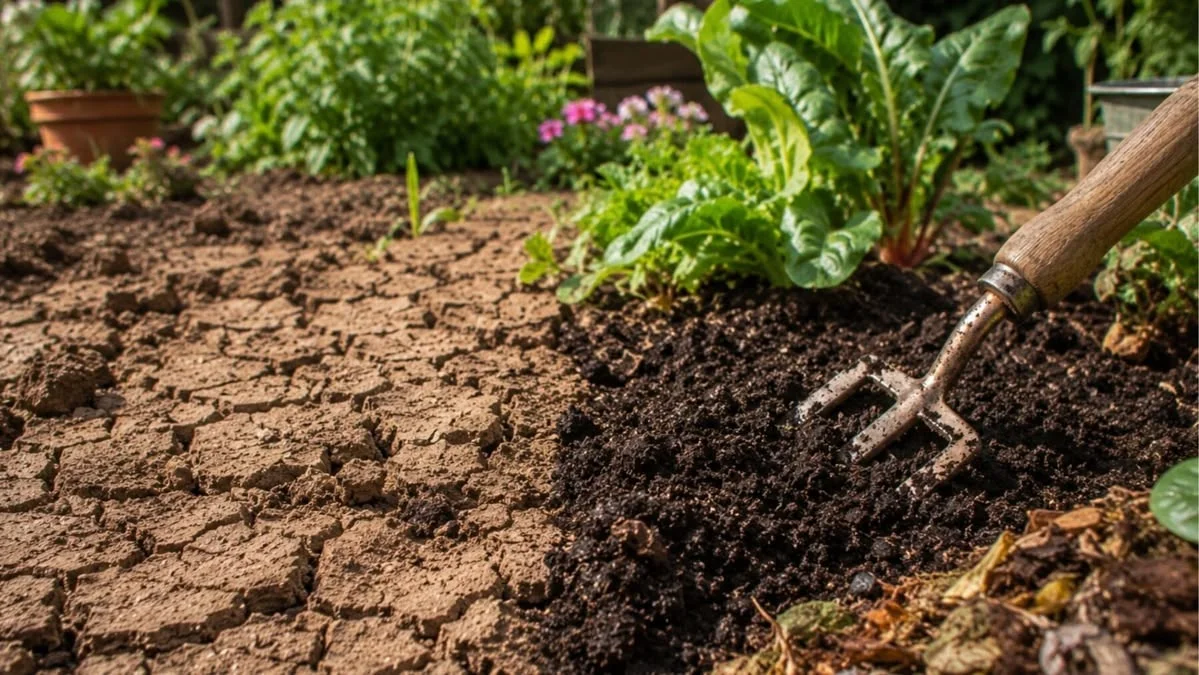
Improve the soil where appropriate. Incorporating suitable organic matter can improve soil structure and moisture retention, depending on the existing soil type. Apply mulch to help regulate soil moisture and temperature, keeping it clear of plant stems and tree trunks.
Good soil preparation gives new plants a stronger foundation and reduces the need for corrective maintenance later.
4. Common Mistakes to Avoid
Even plants labelled as shade-tolerant may struggle when their basic growing requirements are overlooked.
Choosing plants for shade without assessing available light. Deep shade and filtered sunlight can support different plant selections.
Ignoring drainage. Shade does not automatically mean damp soil. Poor drainage and prolonged waterlogging can damage plant roots.
Overplanting garden beds. Allow sufficient space for plants to reach their mature size and maintain good airflow.
Overlooking maintenance requirements. Consider mature height, spreading habits, pruning needs and access for garden care before finalising the planting plan.
Expecting a newly planted garden to establish without care. Appropriate watering, weed control and periodic monitoring are important during the establishment period.
Thoughtful plant selection from the beginning can help avoid unnecessary replacements and create a garden that matures gracefully.
Create a Garden That Thrives in the Shade
Shaded garden beds offer an opportunity to create calm, layered and visually rich outdoor spaces. By understanding your site’s light conditions, assessing soil and drainage, and combining plants with complementary forms and textures, you can transform an overlooked corner into a valuable part of your landscape.
Planning to transform a shaded area of your garden?
Contact our team to discuss your landscape design project and discover the possibilities for your outdoor space.
Need Professional Landscape Design or Construction in Sydney?
Speak with the YESCAPING team at 0457 833 931 or request a consultation online for custom garden design, paving, retaining walls and complete residential landscaping.